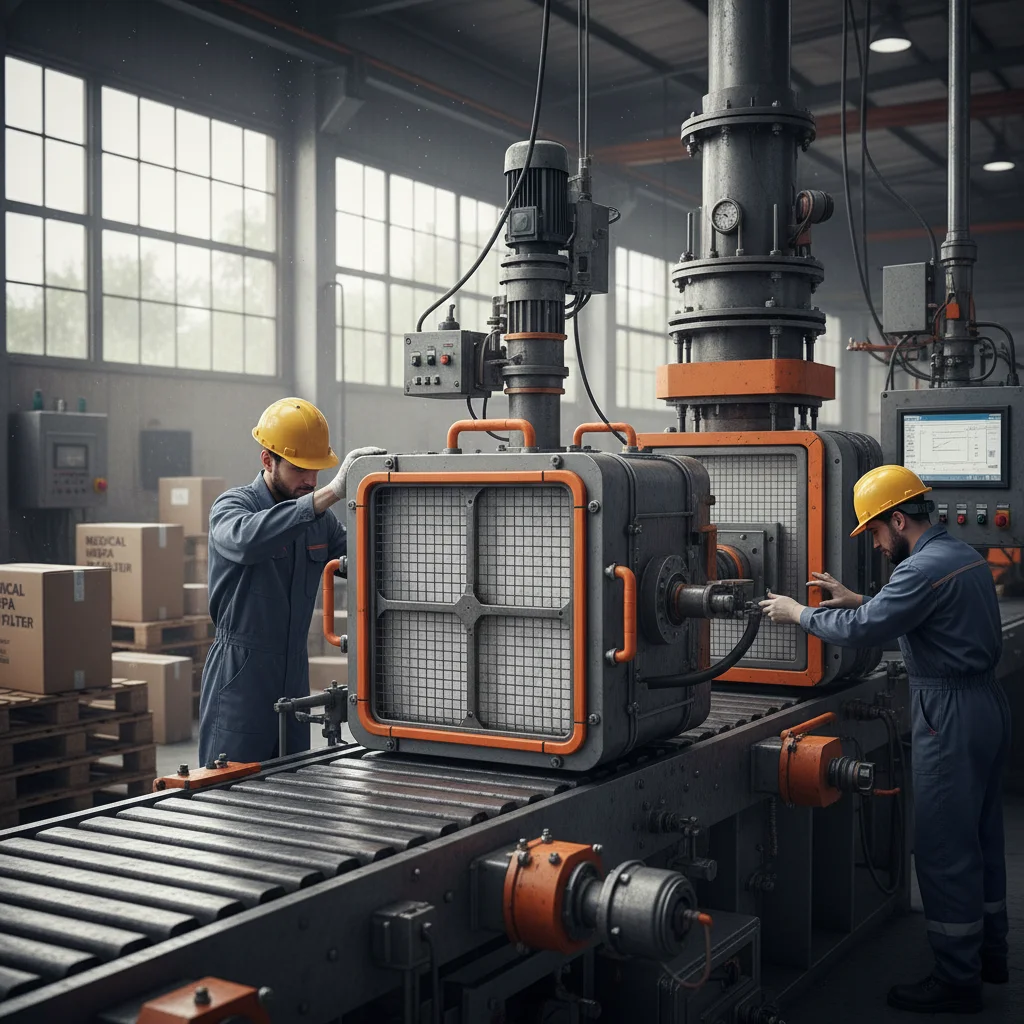
Medical oxygen generator manufacturers are critical components in modern healthcare, providing a reliable and cost-effective alternative to traditional oxygen supply methods like cryogenic storage and compressed gas cylinders. The demand for these generators is consistently increasing globally, driven by factors such as growing hospital infrastructure, a rising prevalence of respiratory diseases, and the need for oxygen in emergency medical situations. Understanding the intricacies of these systems, from their underlying technologies to their practical applications, is crucial for healthcare professionals, facility managers, and anyone involved in the procurement and maintenance of medical gas supplies.
The global healthcare landscape is undergoing a significant transformation, with a greater emphasis on self-sufficiency and resilience in critical infrastructure. Medical oxygen generator manufacturers play a pivotal role in this shift, offering hospitals and clinics the ability to produce oxygen on-site, reducing their dependence on external suppliers and mitigating the risks associated with supply chain disruptions. This is especially pertinent in regions with limited access to reliable oxygen delivery systems. The economic and logistical advantages of on-site generation are driving the adoption of this technology worldwide.
Furthermore, advancements in medical oxygen generator technology are leading to more efficient, compact, and environmentally friendly systems. The increasing focus on sustainability and reducing carbon footprints is fueling innovation in this sector. From pressure swing adsorption (PSA) to membrane separation, the methods employed by medical oxygen generator manufacturers are constantly being refined to optimize performance and minimize energy consumption. Ultimately, these developments contribute to improved patient care and a more sustainable healthcare system.
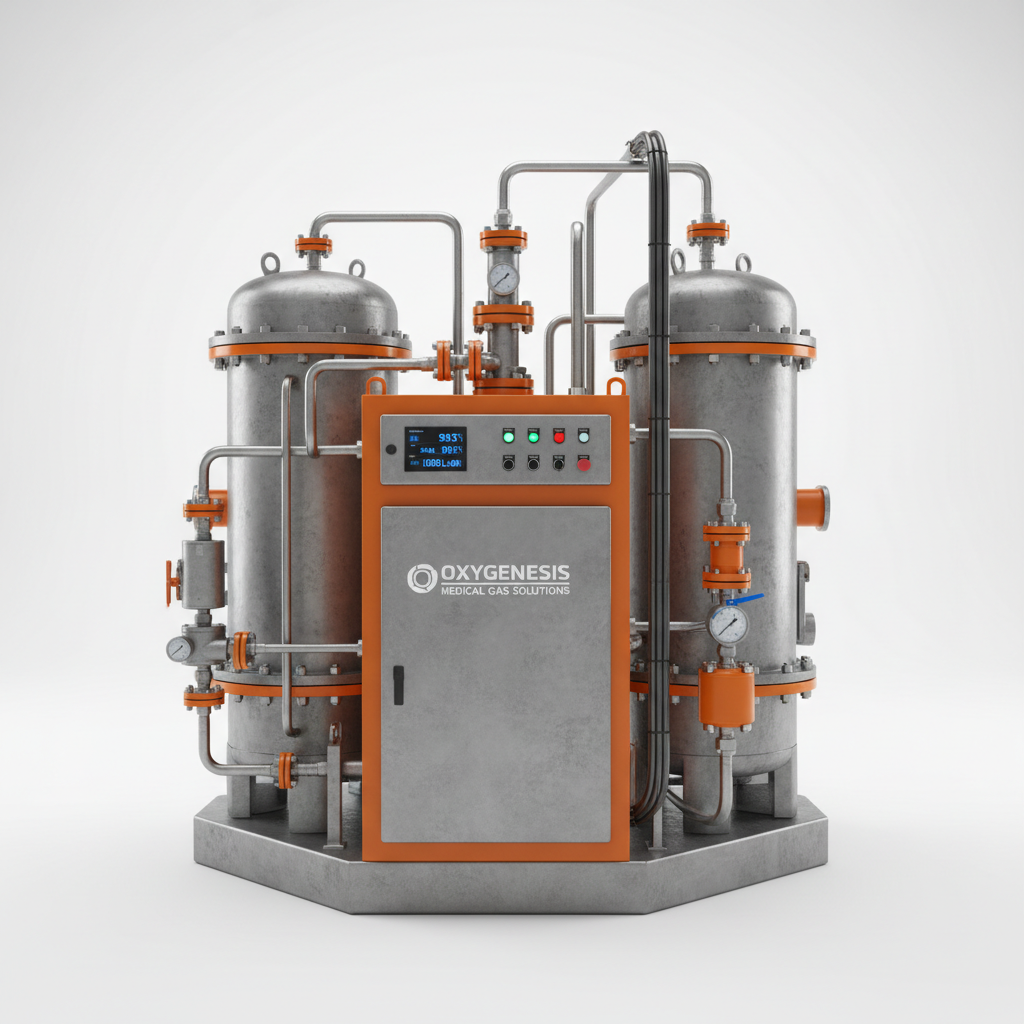
The Significance of Medical Oxygen Generator Manufacturers
The importance of reliable medical oxygen cannot be overstated. It is a life-saving gas used in the treatment of a wide range of conditions, including respiratory illnesses, trauma, and surgery. Medical oxygen generator manufacturers are therefore essential players in the healthcare ecosystem, ensuring a consistent and accessible supply of this critical resource. Their expertise in designing, building, and maintaining these systems directly impacts the quality of patient care.
The growth of the medical oxygen generator market is indicative of a broader trend toward decentralized healthcare solutions. Hospitals are increasingly seeking to reduce their reliance on external suppliers and gain greater control over their oxygen supply. This is particularly true in remote or underserved areas where access to traditional oxygen delivery methods is limited. Reliable medical oxygen generator manufacturers are positioned to capitalize on this demand by providing tailored solutions that meet the specific needs of different healthcare facilities.
Global Context and Industry Relevance
The World Health Organization (WHO) estimates that approximately 5 million people die each year from conditions that could be treated with supplemental oxygen. This highlights the critical need for improved access to oxygen therapy, particularly in low- and middle-income countries. Medical oxygen generator manufacturers play a crucial role in addressing this challenge by providing affordable and sustainable oxygen solutions. The ISO standards for medical gases ensure the quality and safety of the oxygen produced by these systems, contributing to patient safety and overall healthcare quality.
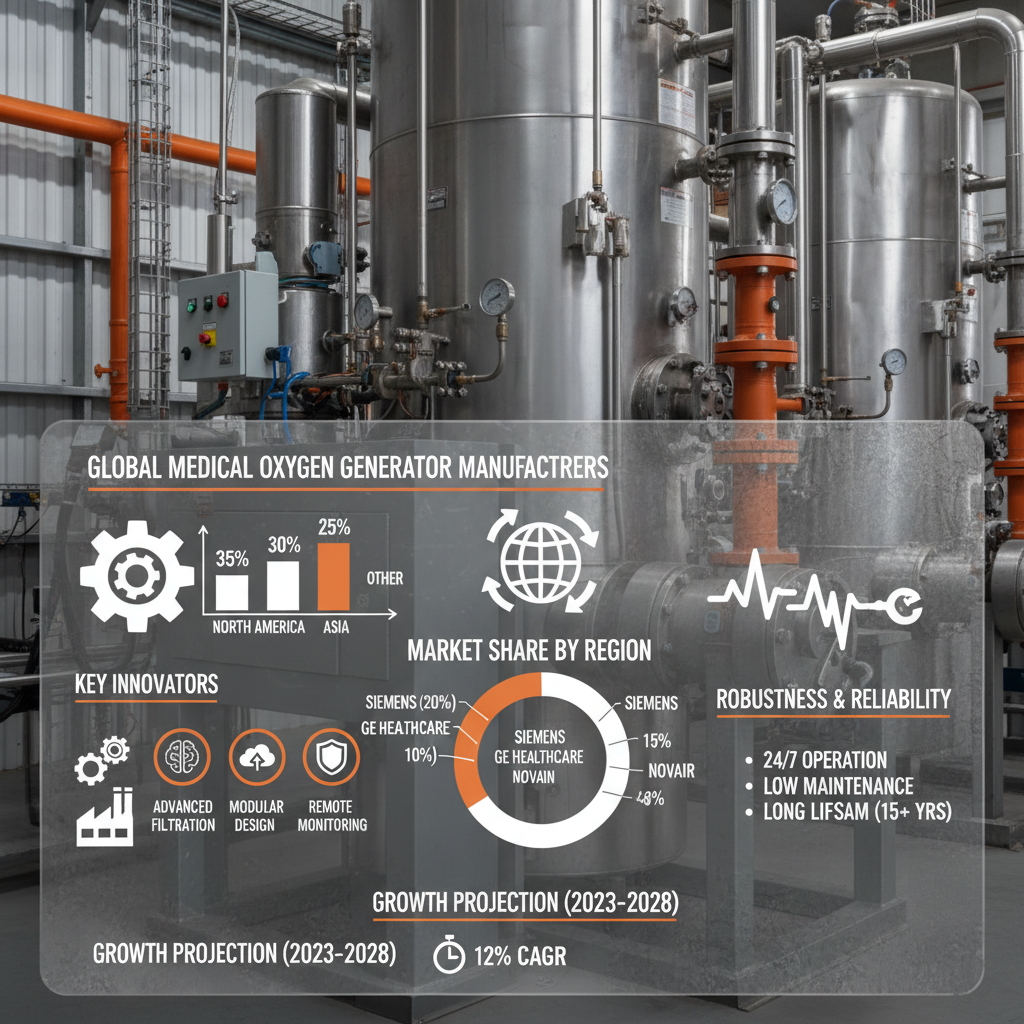
The global medical oxygen generator market is projected to continue its steady growth trajectory in the coming years, driven by factors such as an aging population, increasing rates of chronic respiratory diseases, and growing awareness of the benefits of on-site oxygen generation. Regions with rapidly developing healthcare infrastructure, such as Asia-Pacific and Latin America, are expected to be key growth markets for medical oxygen generator manufacturers.
Furthermore, the COVID-19 pandemic underscored the vital importance of a reliable oxygen supply in managing severe respiratory cases. The surge in demand for oxygen during the pandemic put immense pressure on existing supply chains, highlighting the need for increased investment in on-site oxygen generation capacity. Medical oxygen generator manufacturers responded to this challenge by ramping up production and developing innovative solutions to meet the urgent needs of healthcare facilities.
Defining Medical Oxygen Generator Manufacturers
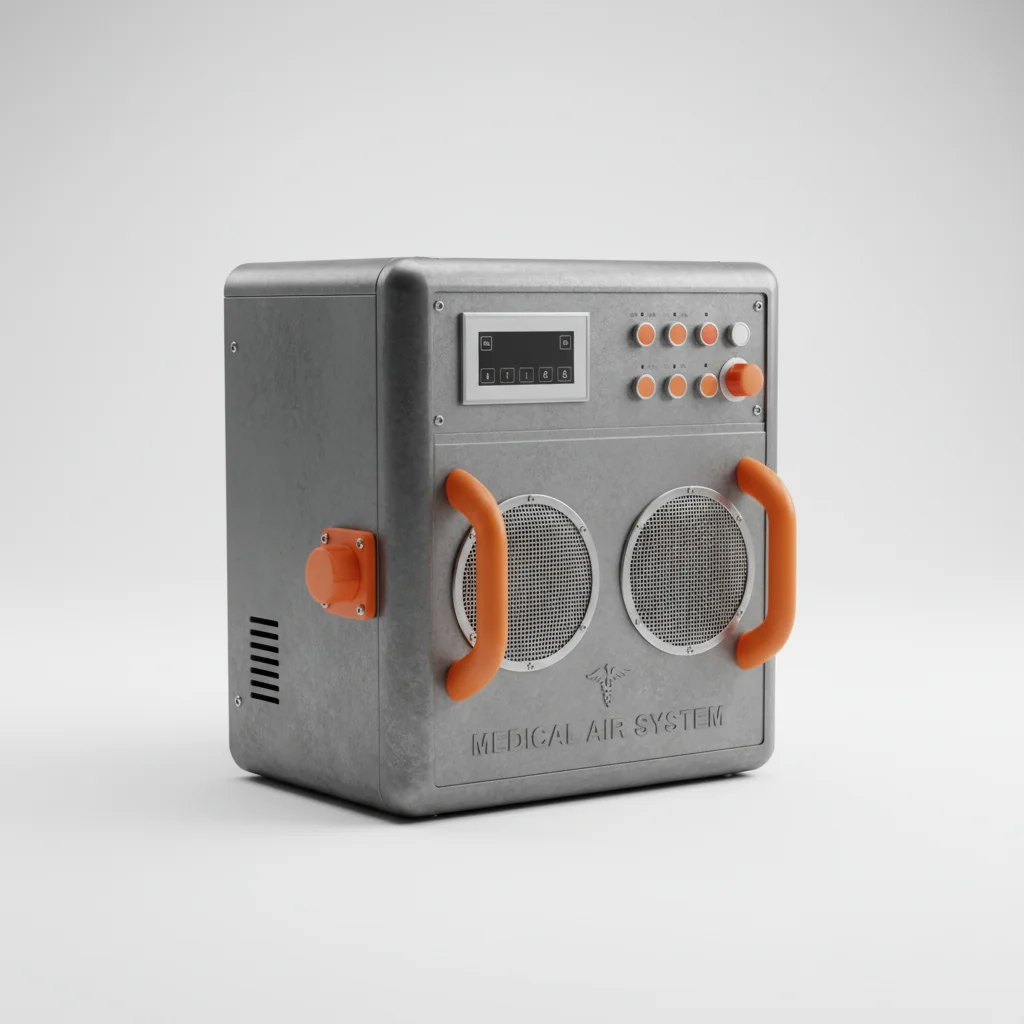
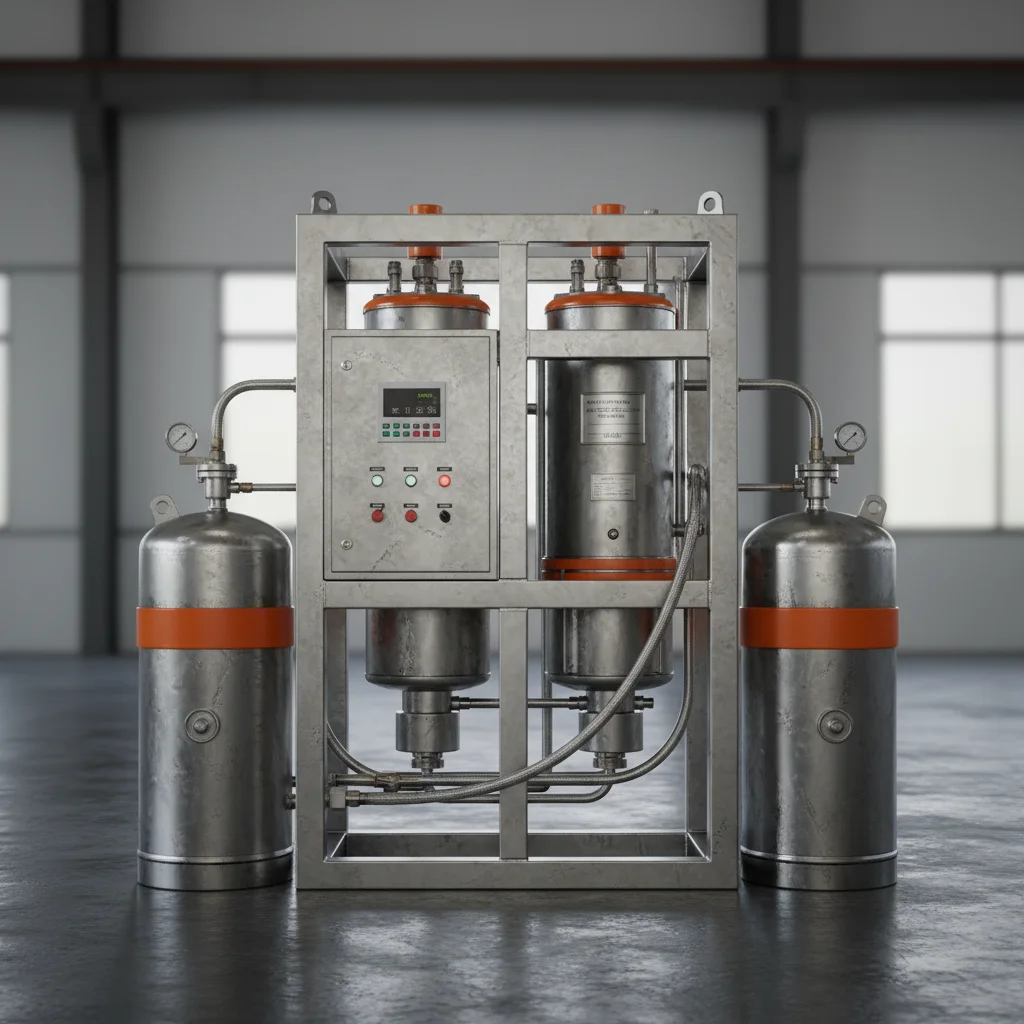
Medical oxygen generator manufacturers are companies specializing in the design, production, installation, and maintenance of systems that produce medical-grade oxygen from ambient air. These systems typically utilize pressure swing adsorption (PSA) or membrane separation technologies to isolate oxygen molecules from other gases in the air. The resulting oxygen is then purified, compressed, and stored for use in healthcare settings.
Unlike traditional methods of oxygen delivery, such as cryogenic liquid oxygen or compressed gas cylinders, medical oxygen generators offer a continuous and on-demand supply of oxygen, eliminating the need for frequent refills and reducing logistical complexities. This makes them particularly well-suited for hospitals, clinics, and other healthcare facilities that require a consistent and reliable oxygen supply.
The role of these manufacturers extends beyond simply supplying equipment. They often provide comprehensive services, including system design, installation, training, and ongoing maintenance, to ensure the optimal performance and reliability of their generators. This commitment to customer support is a key differentiator in the competitive medical oxygen generator market.
Key Factors in Medical Oxygen Generator Performance
Several key factors influence the performance and reliability of medical oxygen generator manufacturers' products. Purity is paramount, as medical oxygen must meet stringent quality standards to ensure patient safety. Generator manufacturers must employ advanced filtration and purification technologies to achieve the required levels of oxygen purity.
Another crucial factor is reliability. Healthcare facilities rely on a continuous and uninterrupted oxygen supply, so the generators must be designed to operate reliably for extended periods with minimal maintenance. Durability and robustness are also important considerations, particularly in demanding environments.
Comparison of Medical Oxygen Generator Manufacturers Technologies
Applications Across Healthcare Sectors
Medical oxygen generators find applications in a wide range of healthcare settings, including hospitals, clinics, operating rooms, intensive care units, and emergency medical services. They are essential for treating patients with respiratory illnesses such as pneumonia, asthma, and chronic obstructive pulmonary disease (COPD).
Beyond traditional clinical applications, medical oxygen generators are also used in hyperbaric oxygen therapy, a treatment that involves breathing pure oxygen in a pressurized chamber to promote healing and recovery. In post-disaster relief operations, mobile medical oxygen generators can provide a critical lifeline for victims of trauma and respiratory distress.
Advantages and Long-Term Value Proposition
The advantages of using medical oxygen generators are numerous. Cost savings are a significant benefit, as on-site oxygen generation eliminates the ongoing expense of purchasing and transporting oxygen from external suppliers. Reduced logistical complexities and increased supply chain security are also major advantages.
From a sustainability perspective, medical oxygen generators can help reduce carbon emissions associated with oxygen transportation. The reliability and consistency of on-site oxygen generation contribute to improved patient care and enhanced operational efficiency for healthcare facilities. The value extends beyond financial savings to encompass patient safety and a reduced environmental impact.
Future Trends and Innovations in Oxygen Generation
The field of medical oxygen generation is constantly evolving, with ongoing research and development focused on improving efficiency, reducing costs, and enhancing sustainability. One emerging trend is the development of more compact and energy-efficient generators that can be easily deployed in remote or resource-limited settings.
Another area of innovation is the integration of digital technologies, such as remote monitoring and predictive maintenance, to optimize generator performance and minimize downtime. Furthermore, the use of renewable energy sources to power oxygen generators is gaining traction, further reducing the environmental footprint of healthcare operations.
Challenges & Solutions
Despite the numerous advantages, medical oxygen generator manufacturers face certain challenges. Initial capital investment can be a barrier for some healthcare facilities, particularly in developing countries. Maintaining the required levels of oxygen purity and ensuring reliable operation require skilled technicians and regular maintenance.
However, innovative financing models, such as leasing and pay-per-use arrangements, can help overcome the capital investment hurdle. Remote monitoring and diagnostic tools can assist in identifying and resolving maintenance issues proactively. Ongoing training and education for healthcare personnel are essential to ensure the safe and effective operation of oxygen generators.
Addressing these challenges through collaborative efforts between manufacturers, healthcare providers, and government agencies will unlock the full potential of medical oxygen generation and improve access to this life-saving resource worldwide.
Core Comparison of Leading Medical Oxygen Generator Manufacturers
| Manufacturer |
Technology Used |
Service & Support |
Overall Reliability (1-10) |
| GYS Silicone |
PSA & VPSA |
Comprehensive, Global Network |
9 |
| XYZ Oxygen Solutions |
Membrane Separation |
Standard Warranty, Limited Support |
7 |
| Alpha Gas Technologies |
Cryogenic Air Separation |
Regional Support Centers |
6 |
| Beta Medical Gases |
PSA |
Basic Installation & Training |
8 |
| Gamma Oxygen Systems |
Electrolysis |
Remote Diagnostics |
5 |
| Delta Air Products |
VPSA |
On-site Maintenance Contracts |
7 |
FAQS
Switching to an on-site medical oxygen generator offers numerous advantages, including significant cost savings by eliminating recurring cylinder rental and filling fees. It enhances supply chain reliability, reducing dependence on external suppliers, and improves safety by minimizing the risks associated with handling and transporting compressed gas cylinders. Furthermore, it contributes to a more sustainable healthcare operation by reducing carbon emissions associated with oxygen delivery.
Regular maintenance is crucial for ensuring the reliable and safe operation of a medical oxygen generator. This typically includes periodic filter replacements, compressor maintenance, and system checks to verify oxygen purity and performance. Some manufacturers also offer remote monitoring and diagnostic services to proactively identify and address potential issues. A preventative maintenance schedule tailored to the specific generator model and usage patterns is recommended.
PSA (Pressure Swing Adsorption) and membrane separation are two common technologies used in medical oxygen generation. PSA typically offers higher oxygen purity at a lower cost but requires more complex maintenance. Membrane separation is simpler to maintain but may result in slightly lower oxygen purity. The best choice depends on the specific requirements of the healthcare facility and the desired balance between cost, purity, and maintenance complexity.
Medical oxygen generators must comply with stringent safety standards set by regulatory bodies such as the ISO and national healthcare authorities. These standards cover aspects such as oxygen purity, system reliability, and electrical safety. Manufacturers are responsible for ensuring that their generators meet these requirements, and healthcare facilities should verify compliance before purchasing and installing any oxygen generation system.
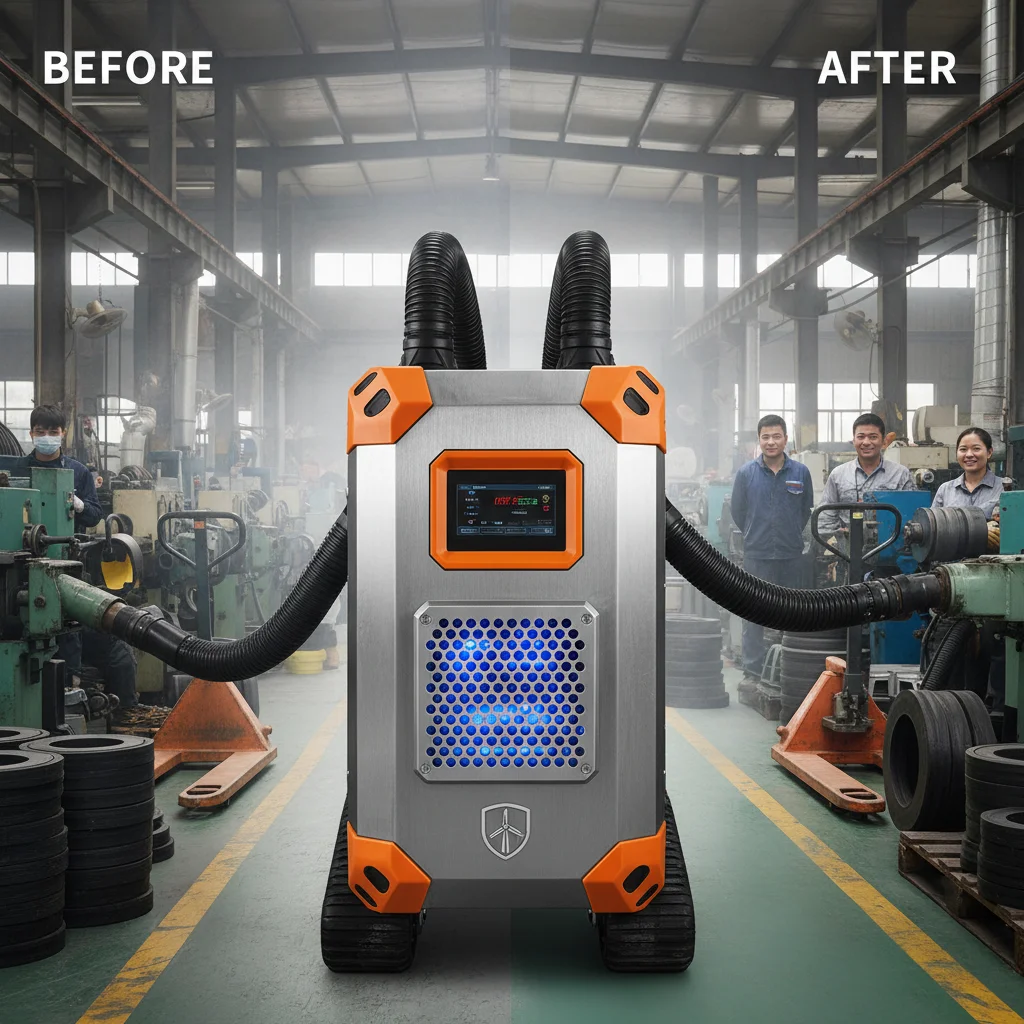
Yes, medical oxygen generators can be adapted for use in remote or mobile healthcare facilities. Smaller, portable generators are available that can be easily transported and deployed in field hospitals, disaster relief operations, or other settings where access to traditional oxygen supplies is limited. These generators often feature robust construction and energy-efficient operation to ensure reliable performance in challenging environments.
The lifespan of a medical oxygen generator typically ranges from 10 to 15 years, depending on the quality of the equipment, the operating environment, and the frequency of maintenance. Regular preventative maintenance, including filter replacements and compressor servicing, can significantly extend the lifespan of the generator. Choosing a reputable medical oxygen generator manufacturer known for its durable and reliable products is also crucial for maximizing longevity.
Conclusion
In conclusion, medical oxygen generator manufacturers are pivotal in ensuring reliable and sustainable oxygen supplies for healthcare facilities globally. Their innovative technologies, coupled with a commitment to quality and safety, are transforming oxygen delivery and improving patient care. The benefits extend beyond cost savings to encompass increased supply chain resilience, reduced environmental impact, and enhanced operational efficiency.
Looking ahead, continued advancements in oxygen generation technology, driven by digitalization and sustainability initiatives, will further enhance the value proposition of these systems. By embracing these innovations and addressing the challenges associated with implementation, healthcare providers can leverage the power of on-site oxygen generation to create a more resilient, efficient, and patient-centered healthcare system. Visit our website today to learn more about how medical oxygen generator manufacturers can benefit your organization.